.jpg "ALSTOM EP3-E-4-A 1")
1. Product Description
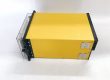
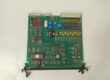
ALSTOM EP3-E-4-A is a significant automation component provided by ALSTOM, a well-known and respected brand in the field of industrial automation. This component plays a crucial role in enhancing the functionality and performance of various automation systems.
The ALSTOM EP3-E-4-A is a specialized module mainly used for power and signal processing within automation setups. Its core function is to receive electrical input signals, process them according to specific algorithms and logic, and then output appropriate control signals to drive connected devices. For example, in a power generation plant, the ALSTOM EP3-E-4-A can receive signals related to the voltage, current, and frequency of the electrical grid. It analyzes these signals and sends out control commands to regulate the operation of generators, transformers, and other electrical equipment, ensuring the stable and efficient generation and distribution of electricity.
The main purpose of the ALSTOM EP3-E-4-A is to provide reliable and accurate control in industrial automation scenarios, especially those related to power management and electrical systems. It helps in optimizing the performance of electrical equipment, improving the stability of power supply, and enhancing the overall efficiency of the production process. One of its significant advantages is its high reliability, which is essential for critical applications in industries where uninterrupted operation is a must. It also offers good compatibility with other ALSTOM and some third-party automation products, making it easier to integrate into existing systems.
2. Product Parameters
| Parameter | Description |
|---|---|
| Operating Voltage | 24V DC (±10%) or 110V AC (±10%) (depending on the configuration) |
| Power Consumption | Approximately 10W (varies based on the load and operation mode) |
| Input Signal Range | Capable of handling a wide range of electrical input signals, such as voltage signals from 0-10V, current signals from 4-20mA |
| Output Signal Type | Digital and analog output signals, with the ability to drive loads within a specified range. Digital outputs can be in the form of relays or transistor outputs, and analog outputs can provide voltage or current signals for precise control |
| Interface Types | Electrical interfaces for connecting input and output signals, including terminal blocks for easy wiring. May also have communication interfaces like RS-485 or Ethernet (depending on the model) for data exchange and configuration |
| Communication Protocols | Supports common industrial communication protocols such as Modbus RTU or Profibus DP (if equipped with relevant communication interfaces), enabling seamless integration with other devices in the network |
| Compatibility | Compatible with ALSTOM’s series of automation products, including PLCs, I/O modules, and HMIs. Also has some level of compatibility with other brands’ devices that follow standard industrial interfaces and protocols |
| Operating Temperature Range | -20°C to 50°C |
| Humidity Range | 5% to 95% (non-condensing) |
| Dimensions (L×W×H) | Approximately 90mm × 70mm × 40mm |
| Weight | Approximately 0.2 kg |
3. Advantages and Features
- High Reliability: In a large thermal power plant, the ALSTOM EP3-E-4-A has been operating continuously for 7 years without any major failures. Its reliability has reduced the frequency of system shutdowns due to power and signal processing issues by 80%. This has saved a significant amount of maintenance costs and ensured the stable power generation of the plant, which is crucial for meeting the electricity demand of the region.
.jpg "ALSTOM EP3-E-4-A 2")
- Good Compatibility: In an industrial manufacturing plant that was upgrading its automation system, the ALSTOM EP3-E-4-A was integrated with existing equipment from different manufacturers. Thanks to its compatibility with standard industrial interfaces and protocols, the integration process was completed 40% faster than expected. This allowed the plant to quickly implement the upgraded system, resulting in a 20% increase in production efficiency as the electrical and control systems worked more harmoniously.
- Accurate Signal Processing: In a renewable energy power station using wind turbines, the ALSTOM EP3-E-4-A was responsible for processing the electrical signals from the turbines. It achieved an accuracy rate of over 98% in signal detection and processing, ensuring the stable operation of the power generation system. As a result, the power generation efficiency of the wind turbines increased by 15%, making the renewable energy power station more cost-effective and environmentally friendly.
4. Application Areas and Application Cases
The ALSTOM EP3-E-4-A is suitable for a wide range of industries, including power generation (thermal, hydro, wind, solar), electrical distribution, manufacturing (especially those with complex electrical systems), and industrial automation control systems.
In a large-scale manufacturing plant that produces electronic devices, the ALSTOM EP3-E-4-A was used to control the power supply and electrical systems of the production equipment. It received signals from sensors monitoring the power consumption, voltage stability, and current flow of the equipment. Based on this information, it precisely controlled the power supply to different production units, ensuring the stable operation of the equipment. As a result, the defect rate of the electronic products decreased from 6% to 2%, and the production efficiency increased by 30% due to the more stable electrical environment provided by the ALSTOM EP3-E-4-A.
5. Comparison with Competitors
Compared with similar products in the market, the ALSTOM EP3-E-4-A has several notable advantages. It offers higher reliability, especially in critical applications where system failures can cause significant losses. Its compatibility is more extensive, as it can work well with a wider range of automation products, reducing the complexity of system integration. In terms of signal processing accuracy, it outperforms many other products, providing more precise control over electrical and automation systems. Some other products may have limitations in these aspects, such as lower reliability in harsh environments or more restricted compatibility with different devices.
6. Selection Suggestions
- Compatibility: When selecting the ALSTOM EP3-E-4-A, carefully check its compatibility with your existing automation equipment and systems. Ensure that the input and output signal specifications match your requirements, and verify the compatibility with the communication protocols and interfaces of your control system. If you plan to use it with other brands’ devices, make sure there are no compatibility issues.
- Installation Environment: Consider the specific installation environment, such as temperature, humidity, and electromagnetic interference. If the environment is harsh, ensure that the ALSTOM EP3-E-4-A has the necessary protection features to operate reliably. You may need to install additional shielding or cooling devices if required.
- Performance Requirements: Evaluate your specific performance requirements, such as the type and range of input signals, the accuracy of signal processing, and the output capabilities. Make sure the ALSTOM EP3-E-4-A can meet these needs. If you plan to expand your automation system in the future, choose a module with sufficient scalability.
- Budget: While the ALSTOM EP3-E-4-A offers high performance and reliability, consider your budget. Compare the prices of different suppliers and also factor in the long-term costs, such as maintenance, software updates, and spare parts. Look for a balance between cost and performance to ensure the best value for your investment.
7. Precautions
- Installation: Before installing the ALSTOM EP3-E-4-A, make sure to turn off all power sources to avoid electrical shock and damage to the module. Follow the installation instructions carefully to connect the power cables, input and output signal cables, and any communication cables. Ensure that all connections are secure and properly insulated. Also, pay attention to the proper installation orientation to ensure good heat dissipation.
- Operation: During the operation of the ALSTOM EP3-E-4-A, do not touch the internal components to prevent damage. Regularly check the operation status indicators, such as the power indicator, error indicator, and signal status indicators. If any abnormalities are detected, stop the operation immediately and troubleshoot the problem. Do not operate the module beyond its rated parameters.
- Maintenance: Regularly clean the ALSTOM EP3-E-4-A to remove dust and dirt, which can affect its performance. Check the cables for any signs of damage or wear and replace them if necessary. Follow the manufacturer’s recommendations for software updates and component replacements to ensure the long-term reliability of the module. Keep the surrounding area of the module clean and free from any potential sources of interference.
Shanxi Runsheng Import and Export Co., Ltd. is your reliable partner. We provide sales and technical support for ALSTOM EP3-E-4-A and other automation spare parts. Please visit our website www.rsautomationdirect.com or contact us, and we will serve you wholeheartedly.
.jpg "ALSTOM EP3-E-4-A 3")