Description
Product Overview and Description
The
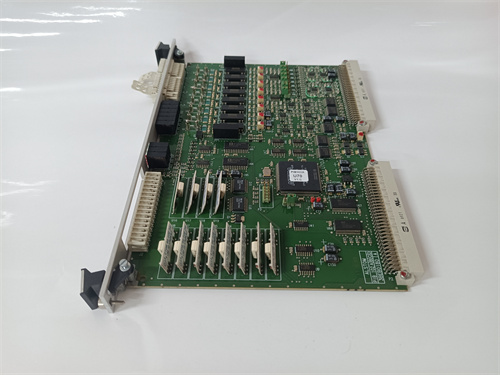
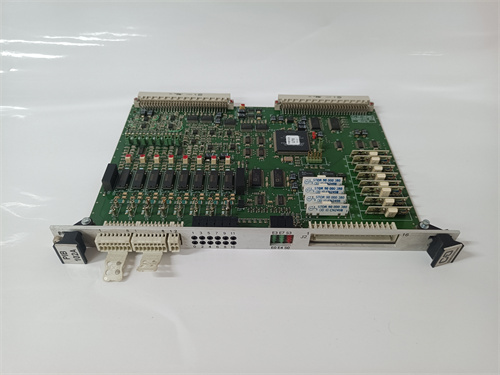
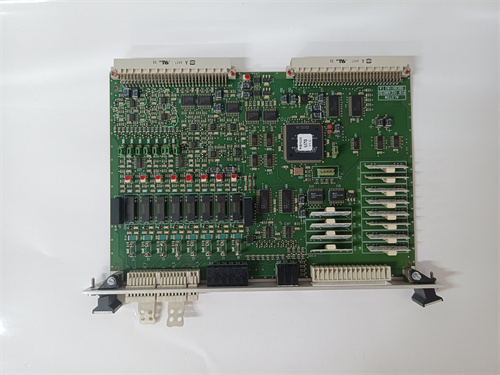
ALSTOM PIB101C is a critical input/output terminal board designed for integration within the ALSPA and ALSPA Series 80 distributed control systems (DCS), which are heavily utilized in power generation and large-scale industrial process automation. This specialized module acts as a vital interface, connecting field devices such as sensors, transmitters, and contactors to the central processing units of the control system. The primary role of the
is to provide signal conditioning, isolation, and termination points, ensuring that control signals from the field are accurately and safely presented to the system’s controllers. As a fundamental building block of a robust automation architecture, the reliability of the
ALSTOM PIB101C is paramount for maintaining continuous plant operation. For engineers managing legacy ALSTOM control systems, sourcing a genuine
is often a key task during maintenance, upgrades, or spare parts procurement to ensure system integrity and compatibility.
Detailed Product Parameters
- Type: Programmable Input/Output (I/O) Terminal Board (often referred to as a “Bird” in ALSPA parlance).
- System Compatibility: Designed for the ALSPA/ALSPA Series 80 DCS family.
- I/O Channels: Typically configurable for multiple channels of analog (e.g., 4-20mA, 0-10V) or discrete (24-120VDC) signals.
- Isolation: Features channel-to-channel and channel-to-system isolation to prevent ground loops and protect the central system from field-side electrical faults.
- Connections: Uses robust screw terminals or connectorized interfaces for reliable field wiring.
- Mounting: Designed for installation in dedicated ALSTOM subracks or enclosures with a specific backplane connection.
- Indicators: Includes LED status indicators for power, communication, and per-channel I/O state.
Key Advantages and Features
- High Reliability & Durability: Engineered for 24/7 operation in harsh industrial environments with high levels of electrical noise.
- Signal Integrity: Provides excellent signal conditioning and isolation, ensuring accurate data acquisition and control output, which is critical for process stability.
- System-Specific Design: The ALSTOM PIB101C is optimized for seamless integration within its native DCS ecosystem, guaranteeing electrical and communication compatibility that generic modules cannot match.
- Simplified Maintenance: Modular design allows for hot-swapping in many configurations, minimizing downtime during replacement. Clear status LEDs aid in rapid diagnostics.
- Proven Technology: As a component of a widely deployed control system, it has a long track record of performance in critical applications.
Application Cases in Key Industries
- Thermal Power Generation: Integral part of control loops for boiler management, turbine auxiliaries, feedwater systems, and burner management.
- Nuclear Power Plants: Used in non-safety related systems for monitoring plant parameters and controlling auxiliary equipment.
- Large Industrial Processes: Found in chemical plants, oil refineries, and pulp & paper mills for process variable monitoring (pressure, temperature, flow) and discrete device control (pumps, motors, valves).
- Water/Wastewater Treatment: Employed in controlling pumps, gates, and chemical dosing systems within large municipal facilities.
Comparison with Competing Products
The is not a standalone PLC but a proprietary I/O module within a closed DCS architecture. Its direct competitors are other I/O terminal boards from major DCS vendors like Siemens (SIMATIC PCS 7 modules), Emerson (DeltaV cards), or Honeywell (Experion modules). Compared to universal, stand-alone remote I/O blocks (e.g., from Wago or Beckhoff), the ALSTOM PIB101C offers zero configuration flexibility for other systems but provides unmatched reliability and guaranteed performance within the ALSTOM ALSPA environment. For existing ALSTOM system owners, it is the only viable choice for maintaining original design specifications and certification. Choosing a generic alternative would require significant system re-engineering.
Selection Suggestions and Critical Precautions
- Selection Advice:
- Verify Exact System Reference: Confirm the precise ALSPA series and subrack model. Cross-reference the part number from the original system documentation or the module to be replaced.
- Define I/O Type: Determine if you need an analog input, analog output, digital input, or digital output version, as the designation may cover a family of modules with different channel types.
- Check Firmware/Configuration: Some versions may require specific firmware or a pre-configured address. Ensure the replacement module’s configuration matches the slot it will occupy.
- Critical Precautions:
- Compatibility is Absolute: Never assume a module from a different DCS generation or series is compatible, even if it physically fits. Incorrect voltage or communication protocols can cause system faults.
- Static Discharge (ESD): Handle as an ESD-sensitive device. Use proper grounding during installation.
- Power Down Procedure: While some systems support hot-swapping, it is always safer to follow the plant’s lock-out/tag-out (LOTO) procedure and power down the relevant rack before installation or removal.
- Beware of Counterfeits: Source the ALSTOM PIB101C from authorized distributors or highly reputable surplus specialists to avoid unreliable copies that can jeopardize system safety and availability.
 IC693ALG392 PLC GE IC660EBD020 PLC IC693PWR321 PLC IC693PBM200 PLC