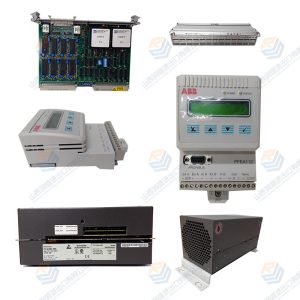
Description
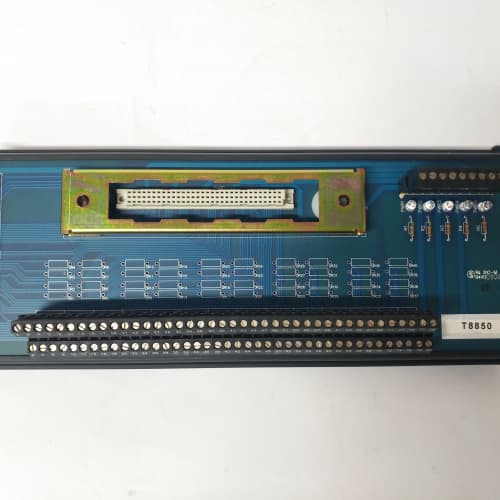
TRICONEX T8850 Product Overview
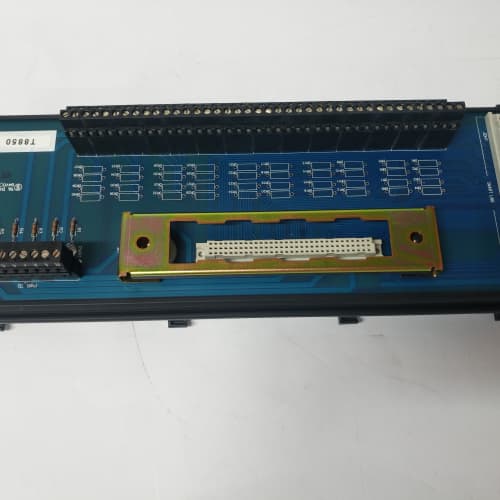
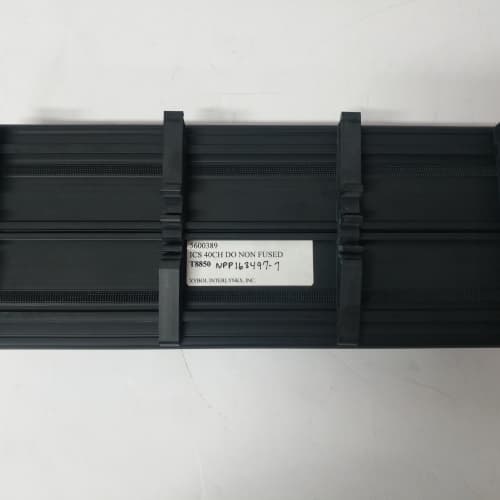
TRICONEX T8850 is a critical Trusted Communication Interface module designed for Schneider Electric’s Triconex Safety Instrumented Systems (SIS). This advanced module serves as the gateway for high-integrity communications between the Triconex main processor and external control systems, enterprise networks, or third-party devices. The embodies the fault-tolerant philosophy of the Triconex platform, ensuring that safety-related data is transmitted securely and reliably without compromising the integrity of the safety functions. When implementing safety system integrations, the is the preferred choice for engineers requiring certified communication pathways in SIL-rated environments.
Product Parameters and Specifications
The TRICONEX T8850 is engineered to meet the exacting standards of safety-critical applications:
- Module Type: Trusted Communication Interface Module for Triconex systems
- Communication Protocols: Supports multiple industrial protocols including MODBUS TCP/IP, OPC, and proprietary Triconex communication protocols
- Redundancy: Features built-in redundancy options to ensure communication path integrity even during module failure or network disruption
- Mounting: Designed for seamless integration into Triconex chassis, occupying dedicated communication slots
- Diagnostics: Comprehensive self-diagnostic capabilities that continuously monitor communication health and report status to the main processor
- Safety Integrity: Certified for use in SIL 2 and SIL 3 applications, maintaining the safety integrity level of the overall system
- Network Interface: Typically provides Ethernet ports for high-speed data exchange with plant networks
Advantages and Functional Features
The offers distinctive advantages that set it apart in safety system communications:
- Isolated Communication: Provides electrical isolation between the safety system and external networks, preventing faults from propagating into the critical safety logic
- Secure Data Transfer: Implements security features that protect against unauthorized access while allowing necessary data exchange for monitoring and supervisory control
- Timestamped Data: Delivers precise timestamping of communicated events, essential for post-incident analysis and sequence-of-events recording
- Protocol Conversion: Capable of translating between various industrial protocols, enabling seamless integration with diverse control system architectures
- Hot-Swappable Design: Allows for replacement or maintenance without disrupting the operation of the main safety processor, maintaining system availability
- Comprehensive Diagnostics: Front-panel LEDs and software-accessible diagnostic registers provide immediate visibility into communication status and potential issues
Application Cases in Industry
The is deployed in critical applications across high-risk industries:
- Offshore Oil Platforms: Connects emergency shutdown systems to platform-wide control networks, enabling remote monitoring while maintaining safety integrity
- Refinery Complexes: Integrates burner management systems with distributed control systems (DCS) for coordinated process control and safety monitoring
- Pipeline Control Centers: Provides communication between remote terminal units (RTUs) and central safety monitoring stations along critical pipeline infrastructure
- Chemical Processing Facilities: Links safety instrumented functions with plant historians and operator workstations for comprehensive process visibility
- Nuclear Power Plants: Interfaces safety monitoring systems with control room displays while maintaining strict isolation and data integrity requirements
Competitive Comparison and Selection Advice
When compared to standard industrial communication modules, the distinguishes itself through its safety-focused design and certifications:
- Selection Advice: When specifying the TRICONEX T8850, carefully evaluate your communication protocol requirements to ensure compatibility with existing control systems and networks. Consider the network topology and redundancy needs of your application to select the appropriate configuration of the . Verify firmware versions to ensure compatibility with your Triconex main processor revision and any planned system upgrades.
- Precautions: Ensure proper network segmentation is implemented to protect the safety system from unauthorized access while using the. Never route safety-critical control commands through communication modules without appropriate safety validation. Verify that communication load and update rates do not exceed theTRICONEX T8850 specifications to prevent data bottlenecks. Implement proper cybersecurity measures including firewalls and access controls when connecting theto plant-wide networks. Always maintain current firmware and security patches as recommended by Schneider Electric for the
.
TRICONEX 4000094-350 You are now an expert in plc automation equipment and are very familiar with the parameters and functions of various plc spare parts. Study in English and respond in English . Later, I will send you the product model and the link address of this product model. You can follow the product description, product parameters, advantages and features, application cases in application fields, comparisons with competing products, selection suggestions and precautions. Naturally insert the brand and model of the product three to six times in the product description content. Add the link address provided to you in the added brand and model text, and be sure to add the brand and model at the beginning, as well as the product link. All models should have bold text. Paragraph titles should use subheadings and not be separated by hr levels. Is there no ** before and after the model number
ABB T3N225
ABB TU810V1
TRICONEX T8850