Description
Product Description
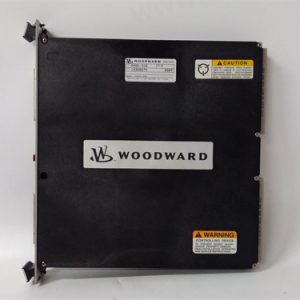
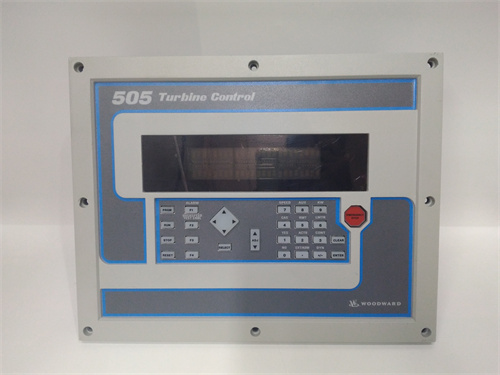
WOODWARD 9907-167 is a precision analog input module developed by Woodward, a leader in power control solutions, specifically engineered for integrating sensor signals into Woodward’s MPC (Model Predictive Control) and turbine control systems. This module is designed to collect and condition analog signals (e.g., from pressure, temperature, and flow sensors) in critical power and industrial applications, converting raw sensor data into accurate, stable signals for the main controller to optimize equipment performance. As a core component of Woodward’s control ecosystem,
excels in harsh operating environments—common in power generation, oil & gas, and marine propulsion—with robust resistance to electromagnetic interference (EMI) and temperature fluctuations. Unlike generic analog input modules,
WOODWARD 9907-167 offers seamless compatibility with Woodward’s turbine governors and control panels, eliminating the need for custom calibration or adapters. Its high-resolution signal processing ensures minimal data loss, making
ideal for applications where precise sensor feedback directly impacts safety and efficiency, such as gas turbine fuel flow control or diesel engine speed regulation. For operators relying on Woodward’s industry-proven control systems,
is a trusted choice to maintain reliable analog signal acquisition.
Product Parameters
- Input Channels: 8 independent analog input channels, configurable per channel
- Supported Signal Types:
- Current: 4–20 mA, 0–20 mA (sinking/sourcing)
- Voltage: 0–5 V DC, 0–10 V DC, ±5, ±10 V DC
- Accuracy: ±0.05% of full scale (FS) for current signals; ±0.075% FS for voltage signals (at 25°C)
- Resolution: 16-bit ADC (analog-to-digital converter) for high-precision signal sampling
- Sampling Rate: 100 Hz per channel (simultaneous sampling across all channels)
- Isolation: 2.5 kVrms galvanic isolation between channels and between inputs and backplane
- Power Supply: 24 V DC (18–30 V DC allowable range), power consumption ≤ 4 W
- Operating Environment: Temperature -40°C to +70°C; Humidity 5%–95% (non-condensing); Vibration resistance: 10 g (10–2000 Hz)
- Diagnostic Features: Channel-level short-circuit detection, over-range alert, and power supply undervoltage monitoring
- Mounting: 35 mm DIN rail mounting or Woodward control system backplane integration
Advantages and Features
- High Precision and Resolution: With 16-bit ADC and ±0.05% FS accuracy, WOODWARD 9907-167 captures 细微 sensor variations (e.g., small changes in fuel pressure) that generic modules might miss, ensuring precise control system feedback.
- Robust Environmental Tolerance: Operating range of -40°C to +70°C and 2.5 kVrms isolation make it suitable for extreme conditions—from arctic offshore rigs to desert power plants—without performance degradation.
- Seamless Woodward Integration: Designed exclusively for Woodward’s control systems (e.g., 505 Governor, MPC 200), it auto-detects and configures to the system, reducing commissioning time by up to 50% compared to third-party modules.
- Flexible Channel Configuration: Each of the 8 channels can be independently set to current or voltage signals, allowing mixed sensor types (e.g., 4–20 mA pressure sensors + 0–10 V temperature transmitters) on a single module.
- Proactive Diagnostics: Real-time alerts for short circuits, over-range signals, and low power enable quick troubleshooting—critical for minimizing downtime in mission-critical applications.
Application Fields and Cases
- Power Generation: In a coal-fired power plant, integrates with a Woodward 505 turbine governor to collect 4–20 mA signals from steam pressure sensors and 0–10 V signals from turbine bearing temperature transmitters. The module’s high accuracy ensures the governor adjusts fuel flow in real time, optimizing turbine efficiency and preventing overheating.
- Oil & Gas: On an offshore drilling platform, the module captures 4–20 mA signals from drill string torque sensors and transmits data to a Woodward MPC 200 control system. Its EMI resistance protects against interference from nearby power cables, ensuring reliable torque feedback to avoid drill string damage.
- Marine Propulsion: In a large cargo ship’s diesel engine control system, WOODWARD 9907-167 processes ±5 V signals from engine speed sensors and 4–20 mA signals from fuel injection pressure sensors. The module’s wide temperature tolerance (-40°C to +70°C) handles harsh marine conditions, maintaining stable engine performance during long voyages.
Comparison with Competitors
| Parameter | WOODWARD 9907-167 | Generic Industrial Analog Module | Competitor Turbine-Specific Module |
|---|---|---|---|
| Accuracy (Current) | ±0.05% FS | ±0.1% FS | ±0.08% FS |
| Isolation Voltage | 2.5 kVrms | 1.5 kVrms | 2.0 kVrms |
| Sampling Rate | 100 Hz per channel | 50 Hz per channel | 80 Hz per channel |
| Woodward System Compatibility | Native (auto-configure) | Requires custom firmware | Limited (partial integration) |
| Operating Temperature | -40°C to +70°C | -20°C to +60°C | -30°C to +65°C |
Selection Suggestions and Precautions
Selection Suggestions
- Choose if you use Woodward control systems (e.g., 505 Governor, MPC 200)—its native compatibility eliminates calibration headaches and ensures reliable performance.
- For applications requiring mixed signal types (e.g., both current and voltage sensors), the module’s 8 configurable channels offer more flexibility than single-signal modules.
- In extreme environments (-40°C to +70°C or high EMI areas), prioritize WOODWARD 9907-167 over generic modules to avoid signal loss or premature failure.
Precautions
- Use shielded cables for sensor wiring and ground the shield to the module’s ground terminal—this enhances EMI protection and maintains signal accuracy.
- Do not exceed the module’s input range (e.g., avoid 25 mA current for a 4–20 mA channel)—over-range signals may damage the ADC or trigger permanent shutdown.
- When mounting, ensure at least 50 mm of clearance around the module for airflow—this prevents overheating during full-load operation.
- When replacing the module, back up the channel configuration from the Woodward control system first; restore settings to the new module to avoid reconfiguring all channels manually.
9907-167